

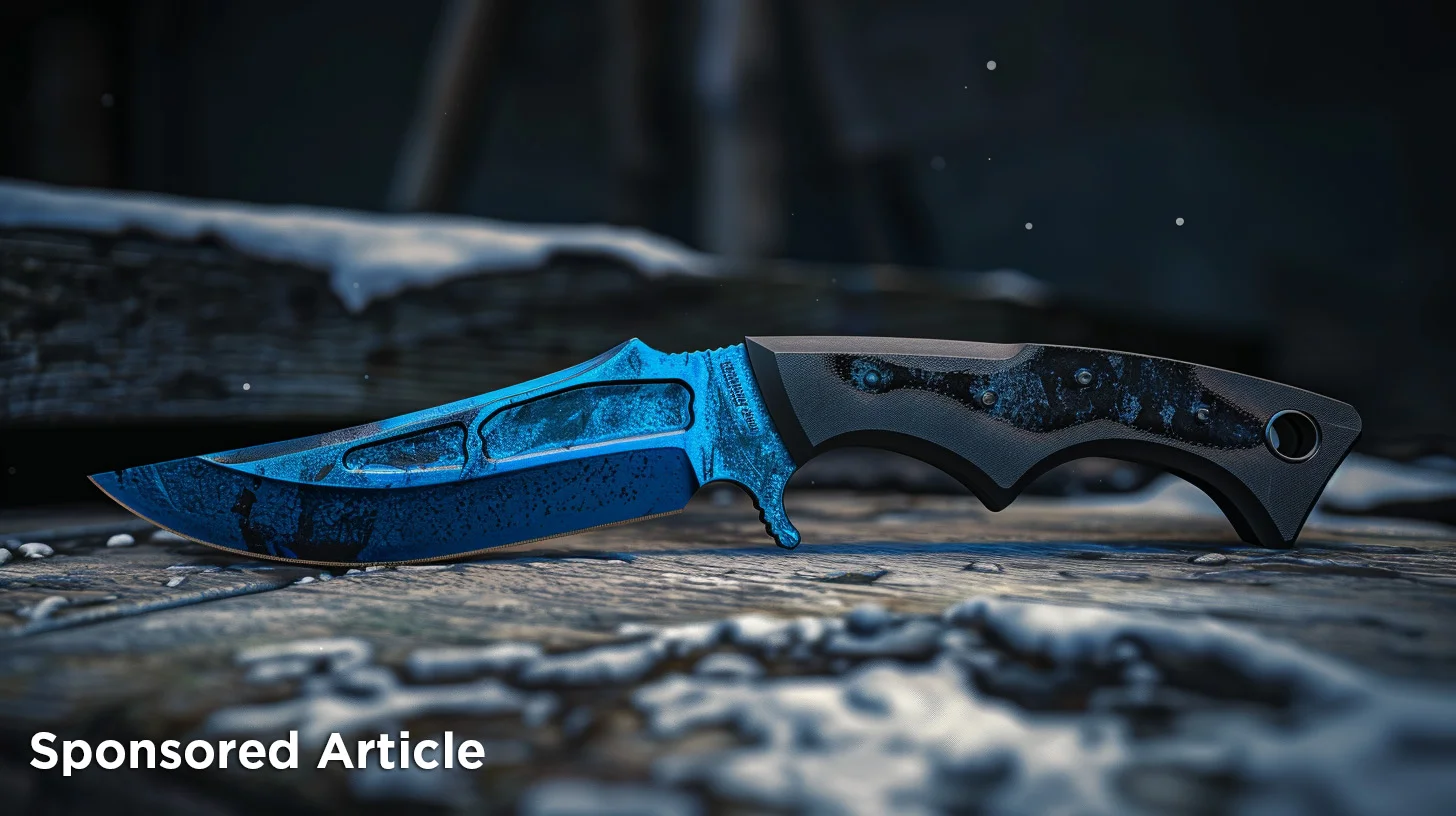
Have you ever wondered why certain virtual items command astronomical prices in the gaming world? The Karambit knife skin in Counter-Strike 2 stands as perhaps the most fascinating example of digital scarcity and desire in gaming today. This curved blade, inspired by traditional Southeast Asian weaponry, has transcended its status as a mere in-game cosmetic to become a genuine status symbol among players and collectors alike.
In the ever-evolving landscape of CS2’s virtual economy, the Karambit consistently remains at the pinnacle of desirability. But what exactly makes this particular knife skin so special? Is it the distinctive animation, the cultural cachet, or something deeper rooted in gamer psychology? Let’s dive into the fascinating world of CS2’s most coveted digital asset and uncover why the Karambit continues to reign supreme in 2025.
The Origins and Evolution of the Karambit in Counter-Strike
From CS:GO to CS2: The Karambit’s Journey
The Karambit first made its appearance in Counter-Strike: Global Offensive back in August 2013 as part of the Arms Deal update. When Valve transitioned from CS:GO to Counter-Strike 2 in 2023, they ensured the beloved Karambit made the journey as well – and players couldn’t have been more relieved. The knife’s migration to the new game engine brought enhanced textures, improved animations, and even more fluid handling mechanics.
What’s particularly interesting is how the Karambit’s popularity hasn’t waned one bit during this transition. If anything, the enhanced visual fidelity of CS2 has only made these knife skins more desirable. The reflections on the blade surface, the way light interacts with different finishes, and the increased detail in textures have all contributed to making Karambits even more visually striking in the new game.
The Karambit also benefited from CS2’s improved lighting and render systems. Patterns that were already sought after in CS:GO – like the Doppler’s galaxy-like swirls or the Case Hardened’s blue gems – appear even more vibrant and distinct in CS2. This visual upgrade has only cemented the knife’s status as the crown jewel of any serious player’s inventory.
Cultural Inspiration Behind the Iconic Design
The real-world Karambit has deep roots in Southeast Asian culture, particularly in Indonesia, Malaysia, and the Philippines. Traditionally used as both a farming tool and a self-defense weapon, its distinctive curved blade and finger ring design made it highly effective in close-quarter combat. This authentic cultural heritage gives the virtual Karambit a certain gravitas that many other knife designs in CS2 simply lack.
The gaming community’s fascination with this exotic design reflects a broader appreciation for weaponry with rich historical backgrounds. Unlike some of the more fantastical knife designs in CS2, the Karambit feels grounded in reality, despite its flashy in-game finishes. This connection to authentic martial traditions adds a layer of appreciation beyond mere aesthetics.
What’s more, the Karambit has permeated popular culture through appearances in action films and martial arts demonstrations, making it recognizable even to casual players. This cultural crossover effect has undoubtedly contributed to its desirability in the game. When players equip a Karambit, they’re not just showing off an expensive digital item – they’re wielding something with cultural significance and real-world martial prestige.
What Makes the Karambit Unique Among CS2 Knife Skins
Distinctive Animation and Handling Mechanics
Let’s be honest – a huge part of the Karambit’s appeal lies in its absolutely mesmerizing animation sequences. The way your character flips and spins the knife around their finger using the ring hole is simply unmatched by any other weapon skin in the game. These fluid animations create a satisfying visual experience that players love to show off during those quieter moments between rounds.
The inspect animation in particular has become iconic – a rhythmic flourish where the character expertly manipulates the blade around their hand. This isn’t just for show either; psychologically, these animations create a sense of mastery and skill. Every time you press the inspect button and watch that perfectly executed knife trick, there’s a tiny dopamine hit that other knife skins simply can’t deliver.
What’s fascinating is how the Karambit animations have influenced real-world behavior too. Visit any CS2 tournament and you’ll likely spot players practicing similar finger movements with pens or other objects when they’re not actively competing. The virtual has inspired the physical in a perfect example of how gaming culture extends beyond the digital realm.
Visual Appeal and Status Symbol
In the world of CS2, your weapon skins are more than just cosmetics – they’re a visible representation of your investment in the game, your taste, and often, your financial resources. The Karambit sits at the absolute pinnacle of this status hierarchy. When a player pulls out a Factory New Karambit Fade or a blue gem Case Hardened in a match, it immediately communicates something about their standing in the community.
Think of it like a digital Rolex. Just as watch enthusiasts might recognize and appreciate a rare timepiece, CS2 players immediately recognize the value and rarity of a good Karambit. It’s a universal sign that says, “I take this game seriously,” or “I’m a collector of distinction.” This social signaling aspect cannot be underestimated when considering the knife’s enduring popularity.
The Karambit’s distinctive silhouette is also instantly recognizable, even from a distance or in spectator mode. This immediate visual identification is crucial for a status symbol – what good is having something rare if others can’t quickly recognize it? The curved blade creates a unique profile that stands out clearly from other knife options, making its presence known without requiring close inspection.
The Trademark Finger Ring Design
The Karambit’s most distinctive feature – its finger ring – isn’t just visually unique; it fundamentally changes how the knife is displayed in-game. This ring allows for the signature spinning animations that have become so iconic, but it also creates a visual connection between the player character and the weapon that feels more integrated than other knives.
From a design perspective, this ring creates a visual focal point that draws the eye. It’s a perfect example of how a small detail can dramatically alter the overall aesthetic impact of an item. The ring also provides a sense of security and control in real-world Karambits, and surprisingly, this sensation somehow translates into the virtual experience as well.
The ring also serves as a canvas for some of the most intricate pattern details, especially in skins like the Doppler or Marble Fade. The way these patterns wrap around the circular form creates unique variations that collectors meticulously categorize and value differently. It’s this combination of functional animation enabler and aesthetic showcase that makes the finger ring such a crucial element of the Karambit’s appeal.
The Most Valuable Karambit Skin Variations in CS2
Fade, Crimson Web, and Doppler: The Holy Trinity
Among the elite Karambit skins, three variations consistently dominate both in terms of desirability and price: the Fade, Crimson Web, and Doppler. These represent what collectors often call “the holy trinity” of Karambit finishes, each with their own unique appeal and valuation factors.
The Karambit Fade stands as perhaps the most iconic finish, with its gradient pattern shifting from yellow at the handle through purple and into red at the blade tip. What makes Fades particularly interesting is the fade percentage and distribution. The most valuable Fades feature what’s known as “100% fade” or “true 90/10,” where color distribution is perfectly balanced with maximum saturation. A Factory New StatTrak™ version with perfect fade can easily command prices in the thousands of dollars.
The Crimson Web, with its distinctive red base and black web patterns, derives its value primarily from web placement. The holy grail is a “triple web” placement on the playside (the visible side when held), especially when centered. Clean, minimal scratches around the web pattern can dramatically increase value, making Factory New Crimson Webs exceedingly rare and valuable.
As for the Doppler, it’s all about the phases and special patterns. Phases 1-4 each have distinct color schemes, but the real prizes are the special variants: Sapphire (solid blue), Ruby (deep red), and the ultra-rare Black Pearl. A Factory New Karambit Doppler Sapphire represents one of the most expensive items in the entire CS2 economy, with prices that continue to appreciate year after year.
Case Hardened Patterns and Their Rarity
The Case Hardened finish deserves special attention in any discussion of valuable Karambit skins. Unlike most finishes that have predictable appearances, each Case Hardened has a unique pattern of blue, purple, gold, and silver areas distributed across the blade. Pattern indexing—identifying each unique variation with a specific number—has created an entire subculture of Case Hardened collectors.
The most coveted patterns are those with high percentages of solid blue, commonly referred to as “blue gems.” Pattern #387 is widely considered the holy grail of Karambit Case Hardened skins, featuring an almost completely solid blue playside. In 2024, one such knife sold for over $150,000, making it one of the most expensive virtual items ever traded.
What makes Case Hardened Karambits particularly fascinating is how their valuation exists somewhat outside the normal float value system. While condition still matters, a Battle-Scarred blue gem can easily outvalue a Factory New standard pattern by a factor of 10 or more. This creates an interesting dynamic where knowledgeable traders hunt for specific pattern indexes regardless of wear level, knowing their true value transcends the standard quality metrics.
StatTrak™ and Souvenir Factors
Adding StatTrak™ technology to an already rare Karambit can multiply its value significantly. This feature, which tracks the number of kills made with the weapon, adds both functionality and exclusivity. For collectors and dedicated players, there’s something deeply satisfying about a knife that keeps a permanent record of its use in battle.
The rarity multiplication effect is most dramatic with already-valuable patterns. For example, a StatTrak™ version of a blue gem Case Hardened might be five to ten times rarer than its non-StatTrak™ counterpart, with prices that reflect this extreme scarcity. The combination of a desirable pattern, good float value, and StatTrak™ technology creates what collectors refer to as “unicorn knives” – items so rare that they might only change hands once every few years.
It’s worth noting that unlike many other weapon types in CS2, Karambits don’t come in Souvenir variants since knives aren’t dropped during major tournaments. This exclusion from the Souvenir category actually helps maintain the Karambit’s status hierarchy, as the valuation system remains somewhat more straightforward than for weapons with this additional variable.
The Economics of Karambit Skins in CS2
Price History and Investment Potential
The Karambit market has demonstrated remarkable stability and growth over the years, making these digital items legitimate investment vehicles for those who understand the market. Looking at historical data from 2013 to 2025, we see that premium Karambit skins have outperformed many traditional investments, with annual appreciation rates often exceeding 15-20% for the rarest variants.
What’s particularly interesting is how Karambits weathered the transition from CS:GO to CS2. While many feared a market crash during this period, the opposite occurred – prices stabilized quickly after a brief dip and then continued their upward trajectory. This resilience demonstrates the deep-rooted demand that exists independently of any particular game version.
For serious investors, Karambits offer something that many digital assets don’t: proven longevity. With over a decade of market history, clear pricing patterns, and an established collector base, they represent a relatively mature market within the volatile world of digital goods. Some forward-thinking collectors have built substantial portfolios focused exclusively on premium Karambit variations, treating them as serious alternative investments alongside traditional assets. For a deeper dive into CS2 skin investments, check out our comprehensive guide on skinsmonkey.com that analyzes historical returns and future projections.
Rarity Factors and Drop Rates
The extreme rarity of premium Karambit skins cannot be overstated. To understand why these items command such high prices, we need to examine the multilayered probability factors that make truly exceptional specimens so scarce.
First, there’s the base drop rate. Knives in general have approximately a 0.25-0.3% chance of appearing when opening a case. That’s already rare, but consider that this tiny percentage is distributed across multiple knife types, with Karambits being just one option. Then factor in the finish type (Fade, Doppler, etc.), the float value (determining wear quality), and for certain finishes, the specific pattern variation.
For example, the probability of unboxing a Factory New StatTrak™ Karambit Fade with a 90/10 fade pattern has been estimated at less than 0.0001%. To put this in perspective, you’d likely need to open tens of thousands of cases to have a reasonable chance at such an item. This extreme rarity creates a natural scarcity that underpins the entire economic system.
What’s fascinating is how these probability layers create distinct tiers of exclusivity that the market recognizes and prices accordingly. It’s a perfect illustration of how virtual economies can develop sophisticated valuation mechanisms that rival those of traditional collectible markets.
Trading Dynamics in the Karambit Market
The Karambit marketplace operates with its own unique trading culture and customs. Unlike more casual skin trading, high-tier Karambit deals often involve extensive verification, trusted middlemen, and sometimes even escrow services for the most valuable transactions.
What’s particularly interesting is the evolution of trading methods. While the Steam marketplace caps prices well below what premium Karambits are worth, third-party sites have emerged to facilitate high-value trades. Cash deals for the most expensive specimens typically happen through trusted intermediaries, with some dedicated traders building reputations that allow them to broker deals worth tens of thousands of dollars.
The trading community has developed highly specific jargon and valuation methods that outsiders find nearly impenetrable. Terms like “BTA corner” (better than average, referring to the knife’s edge condition), “pixel corner” (nearly flawless edge), and pattern-specific terminology create a knowledge barrier that separates serious traders from casual players. This specialized knowledge is crucial when navigating the Karambit trade platform where these high-value transactions take place.
Collector Psychology: Why Players Covet the Karambit
Social Status in Gaming Communities
The psychology behind Karambit ownership transcends simple aesthetics or investment potential. In gaming communities, especially competitive CS2 circles, displaying a premium Karambit serves as an immediate signal of status and dedication. It’s the digital equivalent of pulling up in a Ferrari – a universal symbol that requires no explanation.
What makes this social signaling particularly effective is the knowledge barrier involved. Anyone can recognize that a Karambit is expensive, but only those deeply embedded in the community can appreciate the difference between a standard Doppler and a Black Pearl, or identify a specific Case Hardened pattern by sight. This creates layers of recognition and respect that reinforce community hierarchies.
Interestingly, studies on digital ownership and virtual economies have shown that players often value these status symbols differently depending on their primary motivations. For some, it’s about demonstrating financial resources; for others, it’s about showcasing game knowledge and community embeddedness. The Karambit, with its combination of high cost and pattern complexity, satisfies both impulses simultaneously.
The Psychological Appeal of Rare Digital Items
Beyond the social aspects, there’s something deeply satisfying about owning extremely rare digital items that taps into fundamental collecting instincts. Humans have collected rare objects throughout history, from seashells to stamps to art. The Karambit represents a digital evolution of this ancient impulse.
Scarcity creates value – this principle operates in our brains at a basic level. The knowledge that only a handful of people in the world possess a particular Karambit pattern creates a powerful sense of exclusivity. This exclusivity is reinforced every time you inspect the knife in-game, see other players react to it, or receive trade offers for it.
What’s fascinating is how these digital items can create genuine emotional attachment. Long-term Karambit owners often report feeling a personal connection to their virtual knives, especially if they unboxed them personally or acquired them to mark a special occasion. Despite having no physical form, these digital items become imbued with memories and significance that transcend their code-based existence.
How to Obtain a Karambit in CS2
Case Openings vs. Market Purchases
When it comes to acquiring a Karambit, players essentially have two routes: trying their luck with case openings or purchasing directly from the market. Each approach has distinct advantages and considerations worth examining.
Case openings offer the thrill of possibility – that heart-stopping moment when the spinner lands on a gold item and reveals a Karambit. The emotional high of unboxing a premium knife cannot be overstated; it’s a story you’ll tell for years. However, the economics are brutal. With knife drop rates around 0.25-0.3%, you’re looking at opening hundreds of cases on average before finding any knife, let alone a specific Karambit. At current case and key prices, this makes the expected cost several times higher than buying directly.
Market purchases, while less exciting, offer certainty and typically better value. You can select the exact Karambit variant you want, inspect it thoroughly, and make an informed decision. For those seeking investment-grade Karambits, the market is really the only viable option, as you need to be able to select specific pattern indexes and float values. For a comprehensive breakdown of which cases can contain Karambits, check out our complete guide to CS2 Karambit cases.
When purchasing from the market, remember that the Steam Community Market has price caps that are far below the true value of premium Karambits. For high-tier knives, third-party marketplaces are essential, though they come with additional considerations regarding security and payment methods.
Trading Strategies for Aspiring Collectors
Building a Karambit collection requires strategy, patience, and market knowledge. For those looking to enter this exclusive world, a few approaches have proven effective over the years.
Start by educating yourself thoroughly. Before making any significant purchases, spend time learning about pattern variations, float values, and current market trends. Join dedicated trading forums, Discord servers, and subreddits where collectors discuss these items. The knowledge you gain will protect you from overpaying and help you identify undervalued opportunities.
A smart strategy for many collectors is to focus on a specific niche. Rather than trying to acquire every Karambit variant, you might specialize in a particular finish like Doppler phases or specific Case Hardened patterns. This focused approach allows you to develop deep expertise and recognition within a particular collector community.
Timing market fluctuations can also be lucrative. Karambit prices often dip slightly when new cases or operations are released, as players sell assets to fund new purchases. Similarly, prices typically rise during major tournaments when player numbers surge. Understanding these cycles can help you buy low and sell high. For more detailed trading strategies, our skin trading platform offers tools and analytics specifically designed for Karambit traders.
Budget Options for Karambit Enthusiasts
Not everyone can afford the five-figure price tags of premium Karambits, but that doesn’t mean the iconic knife is entirely out of reach. Several more affordable options exist for players who want the distinctive Karambit experience without breaking the bank.
The Karambit Rust Coat and Safari Mesh finishes typically represent the lower end of the price spectrum, with Battle-Scarred variants being particularly affordable. While lacking the vibrant colors of Dopplers or Fades, these skins still feature the same satisfying animations and distinctive profile that make the Karambit special.
Another approach is to consider higher-wear versions of mid-tier finishes. A Well-Worn or Field-Tested Karambit Night or Blue Steel often sells for a fraction of its Factory New counterpart, while still looking quite respectable in-game. For many finishes, the visual difference between Field-Tested and Minimal Wear is subtle, but the price gap can be substantial.
For the absolute lowest entry point, non-StatTrak™ knives from older collections typically offer the best value. As new cases and finishes are released, older variants sometimes see slight price decreases as collector attention shifts to newer offerings. This creates opportunities for budget-conscious players to enter the Karambit market.
Karambit Skin Authentication and Avoiding Scams
Float Values and Pattern Verification
Authentication is crucial when dealing with high-value Karambits, especially those whose value depends on specific patterns or float values. Understanding verification methods can mean the difference between a successful purchase and an expensive mistake.
Every CS2 skin has a unique float value – a number between 0 and 1 that determines wear level, with lower numbers indicating better condition. For Karambits, these values translate to wear categories: Factory New (0-0.07), Minimal Wear (0.07-0.15), Field-Tested (0.15-0.38), Well-Worn (0.38-0.45), and Battle-Scarred (0.45-1.0). However, within each category, the specific float matters greatly. For example, a 0.01 Factory New Karambit will typically command a significant premium over a 0.069 Factory New.
Pattern verification is even more complex, particularly for Case Hardened and Doppler finishes. Each skin has a pattern index number that determines exactly how the finish appears on the weapon. For Case Hardened, certain indexes (like the famous #387) can multiply the value many times over. Legitimate pattern verification requires inspecting the item in-game or using recognized third-party tools that can extract the pattern index from the skin’s data.
When dealing with premium patterns, always use multiple verification methods and, when possible, get opinions from experienced collectors before completing high-value transactions. For reliable authentication services and market analysis, trusted skin marketplaces offer specialized tools for Karambit verification.
Common Scamming Techniques to Watch For
The high value of premium Karambits makes them prime targets for scammers. Being aware of common scamming techniques is essential for anyone looking to trade or purchase these coveted items.
The pattern scam is perhaps the most prevalent in the Karambit market. A seller might claim their knife has a special pattern (like a “blue gem” Case Hardened) when it actually has a standard or slightly above-average pattern. Always verify pattern claims yourself using pattern guides and third-party inspection tools rather than trusting screenshots or descriptions.
Another common tactic is the bait-and-switch. After agreeing to trade for a specific Karambit, the scammer quickly substitutes it with a similar-looking but less valuable knife before completing the trade. Always double-check the float value and pattern index immediately before confirming any transaction.
Phishing attempts are also rampant, with scammers creating fake trading sites that mimic legitimate platforms. These sites typically ask you to log in with your Steam credentials, which are then stolen. Always verify website URLs carefully and consider using the Steam desktop application rather than browser-based trading when possible.
Remember that in CS2 trading, if an offer seems too good to be true, it almost certainly is. Premium Karambits are highly liquid assets that rarely sell for below market value, so extreme “quicksell” discounts should immediately raise red flags.
Future of Karambit Skins in CS2 and Beyond
Anticipated New Releases and Collections
Looking ahead to the future of Karambit skins, several trends and possibilities emerge that could impact the market. Valve has historically introduced new finishes and collections at regular intervals, and there’s no reason to expect this pattern to change.
Industry insiders suggest that new Karambit finishes may appear in upcoming case releases, potentially introducing novel aesthetic elements like animated surfaces or reactive patterns that change based on lighting conditions. The enhanced graphical capabilities of CS2 open up possibilities that weren’t technically feasible in CS:GO, creating opportunities for truly innovative knife designs.
There’s also speculation about potential collaborations or special edition Karambits. While Valve has historically been conservative with branded collaborations, the growing trend of crossover content in other games suggests this might eventually extend to CS2’s skin ecosystem. Imagine limited edition Karambits tied to major esports organizations or gaming personalities – such releases could create new categories of collectibles entirely.
Of course, any speculation about future releases should be approached with caution. Valve is notoriously secretive about upcoming content, and their decisions can significantly impact the market. For the most current information on upcoming skin releases, follow CS2 update notes on skin changes for timely notifications when new information becomes available.
Long-term Value Projections
Predicting the long-term value trajectory of Karambit skins requires considering multiple factors, including player base trends, broader gaming market conditions, and Valve’s business decisions regarding CS2.
Historical data suggests that truly rare Karambit variants have consistently appreciated over time, with occasional plateaus but very few sustained decreases. This pattern reflects the fundamental scarcity mechanisms built into the system – the supply of specific rare patterns is essentially fixed, while the player base continues to grow, increasing demand.
The transition to CS2 demonstrated the resilience of premium Karambit investments. Despite uncertainty during the migration period, prices stabilized quickly and then resumed their upward trend. This suggests that the value of these items transcends any particular game version and is instead tied to their status within the broader Counter-Strike community.
Some financial analysts who study virtual economies have drawn parallels between rare CS2 knives and certain categories of traditional collectibles like rare coins or trading cards. Both markets feature fixed supply, passionate collector communities, and value derived primarily from scarcity and desirability rather than utility. If these parallels hold, we might expect premium Karambits to continue appreciating at rates that outpace inflation, though perhaps with decreasing volatility as the market matures.
The Impact of Game Updates on Karambit Value
Game updates and technical changes can have profound effects on skin values, sometimes in unexpected ways. Understanding how these changes might impact Karambits is crucial for collectors and investors.
Visual updates to the game engine typically benefit premium skins the most. When CS2 introduced improved lighting and texture rendering, knives with complex patterns and reflective surfaces – like Doppler and Marble Fade Karambits – saw some of the most significant visual improvements. Future graphical upgrades would likely continue this trend, potentially increasing the appeal and value of these finishes.
Changes to the case and drop system can also impact values. If Valve were to retire certain cases from active drops, the supply of specific Karambit finishes would become increasingly limited, potentially driving up prices. Conversely, if they were to reintroduce retired finishes in new cases, it could temporarily depress values for those variants.
The broader ecosystem around trading and marketplaces also affects values. Any changes to Steam’s trading policies, the introduction of new marketplace features, or shifts in third-party site regulations can ripple through the market. Collectors should stay informed about these structural factors alongside game-specific updates to make informed decisions.
In conclusion, the Karambit’s reign as CS2’s most coveted knife skin shows no signs of ending. Its distinctive design, rich variety of finishes, established collector base, and cultural significance within the gaming community have created a perfect storm of desirability. Whether you’re a player who appreciates its unique animations, a collector seeking the perfect blue gem pattern, or an investor looking for digital assets with proven appreciation potential, the Karambit represents the pinnacle of virtual item design and economics in gaming today.
Comments